
Knight's Gambit
William Faulkner's mystery collection

Doing events for Guns Across the River, I sometimes get asked about my “plan” for the Wakeland series. How much thought went into the direction, where is it going, will Dave Wakeland come back soon, etc?
Honestly, I never thought of a ‘plan’ at all. A mystery series isn’t like a sci-fi or fantasy saga—you don’t need to read the earlier books, though it’s great if you do. All my effort goes into making the current book as good as possible.
The ending to Guns leaves Wakeland in a pretty tough place. But I want to keep going with the character. There’s always a new twist on the detective story, and always something going on in the city worth writing about.

You can pick up a copy at your local independent bookshop.
Is it possible to write about William Faulkner without sounding like a book report?
Probably not.
I’ve had Knight’s Gambit on my shelf for about fifteen years. It’s a collection of five stories and one novella about Gavin Stevens, an elected official from Yoknapatawpha County, Mississippi. Educated at Harvard and Heidelberg, Stevens spends his spare time translating the Bible back into ancient Greek, or playing chess with his nephew Charles, who narrates most of the stories.

The mysteries often hinge on aspects of Southern culture—knowing that a person working a troutline pulls their boat across the river using the line itself, rather than a paddle. Or that a “cold toddy,” the preferred drink for sitting on a porch, is made by mixing water and sugar first, and only then adding whiskey.
The novella “Knight’s Gambit” is constructed as a chess problem, with a Spanish gigolo (the knight) skewering a wealthy widow (the queen) and castle (the family mansion).
Stevens isn’t the worst (or the quirkiest) detective ever created. But these stories don’t play to Faulkner’s strengths.
There are great descriptive passages in Knight’s Gambit, and running themes such as the nephew’s desire to enlist in World War II, which he calls his “heart’s thirst.”
Anyway, he was still taking Spanish and he had read Don Quixote and he could keep up with most Mexican and South American newspapers and he had started the Cid only that was last year and last year was 1940 and his uncle said, ‘But why? It should be easier than Quixote because the Cid is about heroes.’ But he couldn’t have explained, to anyone, least of all a man fifty years old, even his uncle, how to assuage the heart’s thirst with the dusty chronicle of the past when not fifteen hundred miles away in England men not much older than he was were daily writing with their lives his own time’s deathless footnote.
Even so, Knight’s Gambit is not a great collection of mysteries. But it brings up two interesting points.
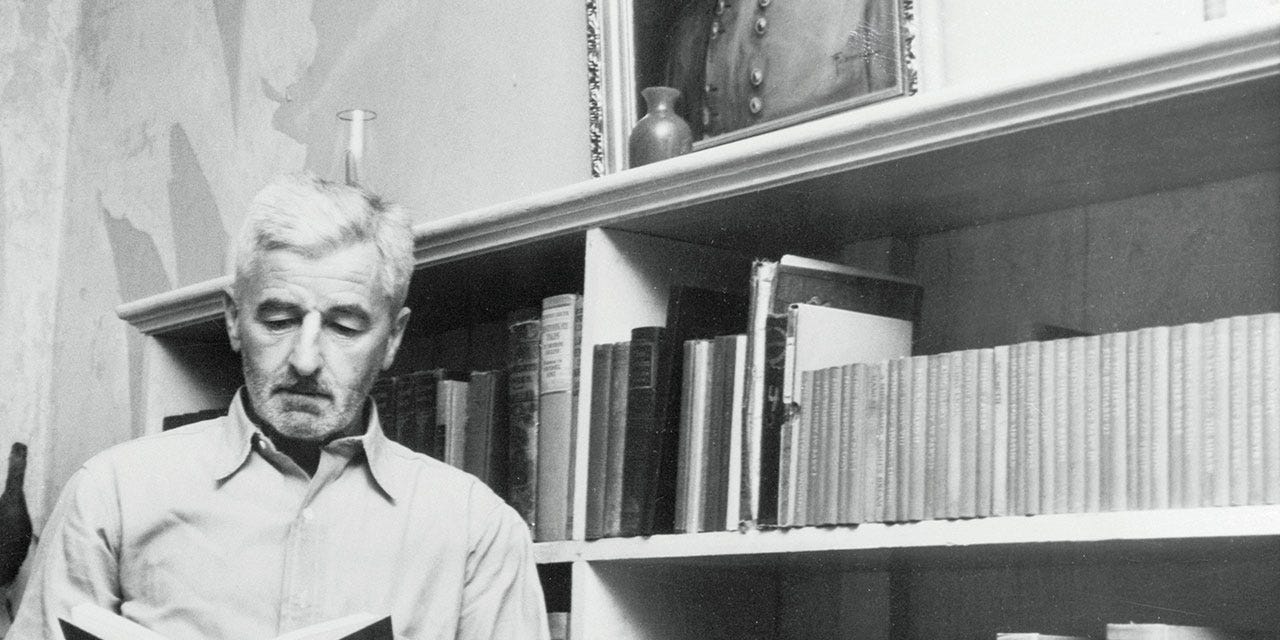
First, how does Faulkner relate to modern southern crime fiction writers like S.A. Cosby and Ace Atkins? There’s probably some Faulkner DNA in that movement, since their novels are often about isolated communities, the codes they live by, and the weight of the past.

Second, there’s the idea of Faulkner as a literary writer trying his hand at—or slumming in—genre fiction.
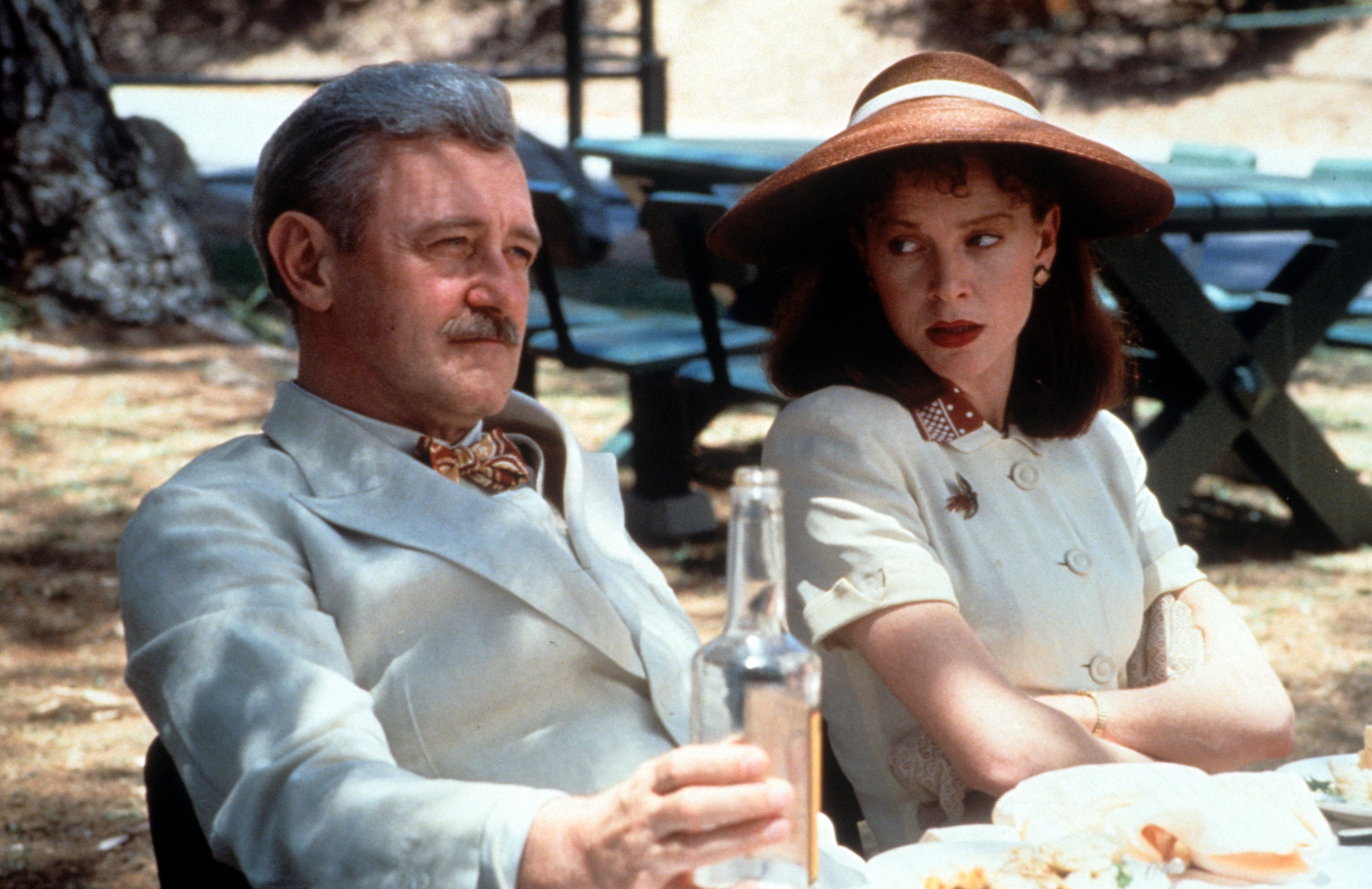
Faulkner co-wrote the screenplay for The Big Sleep, which always reminds me of the character in Barton Fink based on him.
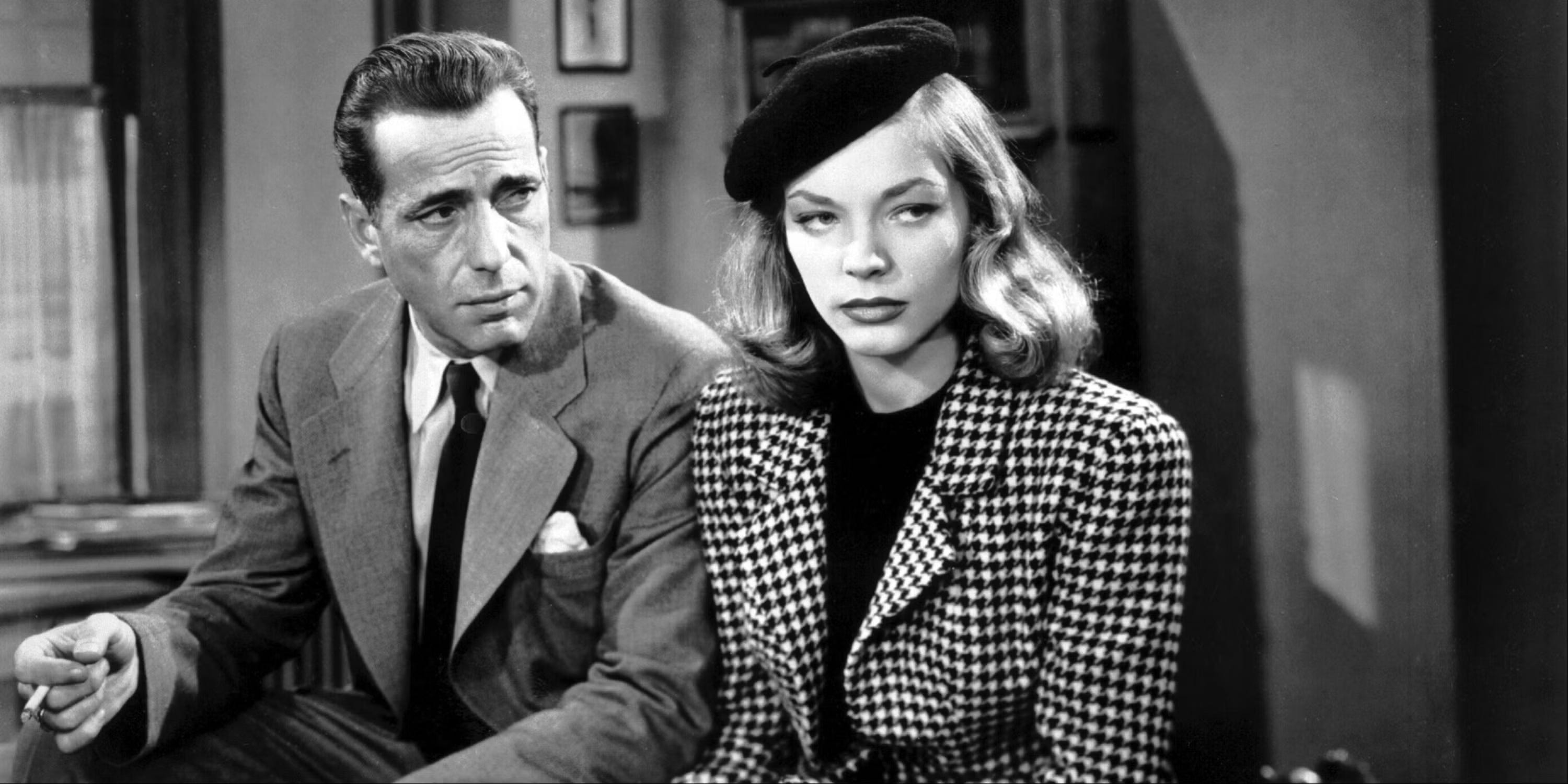
As much as Faulkner has in common with hardboiled writers, Knight’s Gambit reads like a collection of British style parlour mysteries, owing more to Agatha Christie and John Dickson Carr. Was he trying to draw parallels between England and the South?
One of Raymond Chandler’s favorite books is Ashenden, a collection of spy stories by W. Somerset Maugham. They’re well-written stories that perfectly fit the espionage genre. By contrast, most of the stories in Knight’s Gambit don’t quite work. It’s a curiosity, though. Faulkner thought enough of the mystery genre to try his hand.

